
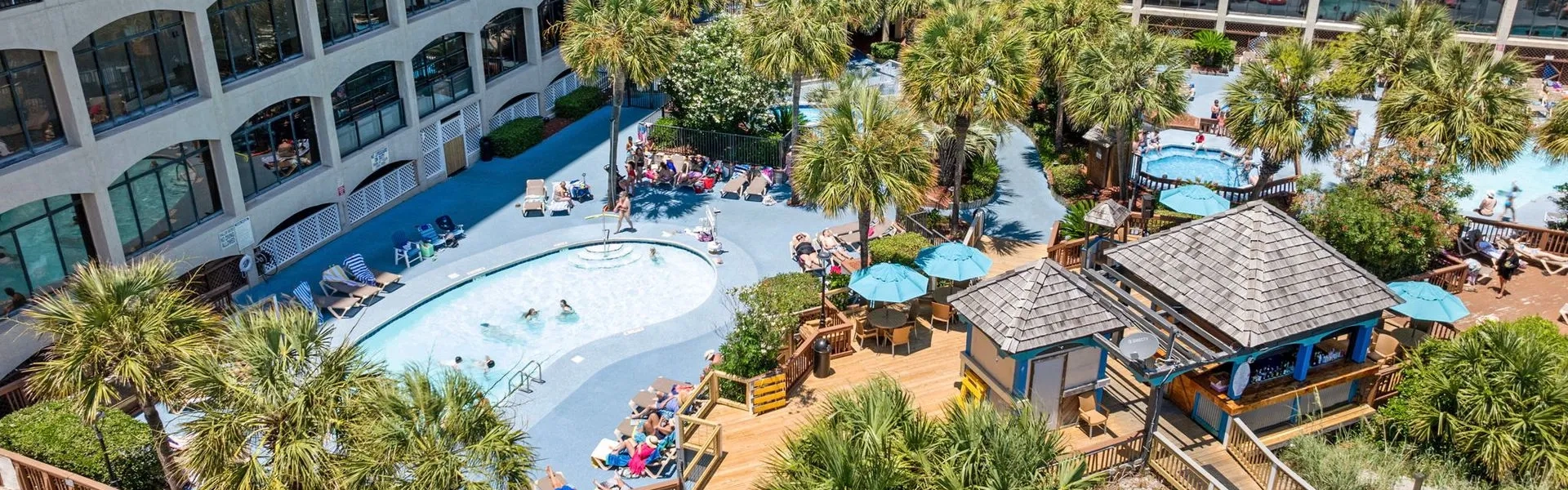
With 60 miles of coastline, the Grand Strand offers fishing options for every kind of angler. Piers stretch over a thousand feet into the Atlantic, and calm inshore creeks run behind the dunes. These options cover surf, pier, and inland areas.
Here’s how the options break down. What is typically biting changes with the season and time of day. You can plan to fish from shore, from a pier, or in the creeks behind the dunes.
Pier Fishing: The Easiest Way to Start
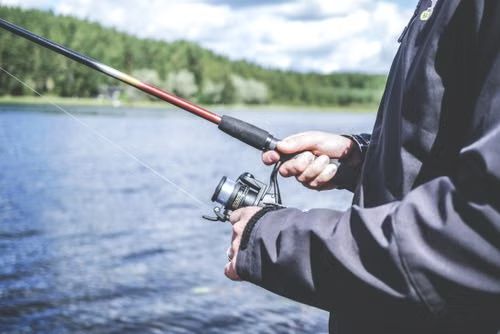
No boat, no license hassle, and most piers rent rods and sell bait on-site. Apache Pier, the longest wooden pier on the East Coast at over 1,200 feet, is one of the most popular spots on the Strand. Pier fishing is typically covered under the pier’s own license, so individual anglers don’t need to buy one separately.
Surf Fishing: Cast Right From the Beach
If you’d rather skip the crowds on a pier, surf fishing lets you cast straight from the shoreline — sometimes just steps from your rental. It’s a flexible, low-cost way to fish, though South Carolina does require a saltwater recreational fishing license for surf fishing (short-term non-resident licenses are available online through SC DNR).
Inshore Fishing: Calm Water, Consistent Action
Guided inshore trips work the marshes, creeks, and the Intracoastal Waterway, targeting redfish, speckled trout, and flounder. It’s a good option for families or anyone who’d rather fish calmer water than deal with ocean swells.
Offshore Charters: The Big-Game Option
Deep-sea charters head miles out for mahi-mahi, tuna, king mackerel, and even marlin during the right season. Most captains provide all rods, reels, bait, and tackle, and half-day private charters typically run in the $600-plus range for a small group. Operators out of Little River Landing, North Myrtle Beach, and Murrells Inlet have been running these waters for decades — booking ahead during summer and fall king mackerel season is a good idea.
What’s Biting, by Season
| Season | Pier / Surf | Inshore | Offshore |
| Spring (Mar–May) | Whiting, bluefish, pompano | Redfish, trout, flounder | Spanish mackerel arriving |
| Summer (Jun–Aug) | Spanish mackerel, whiting | Flounder, trout | King mackerel, tarpon, cobia |
| Fall (Sep–Nov) | Spot, whiting, bluefish | Red drum, flounder (peak) | King mackerel season peaks |
| Winter (Dec–Feb) | Whiting, occasional black drum | Speckled trout in creeks | Fewer trips, quieter runs |
Locals generally point to fall, especially October, as the best all-around window: the crowds thin out after Labor Day, the water’s still warm, and red drum, flounder, and king mackerel are all active at once.
A Few Practical Notes
- Anglers 16 and older need a South Carolina saltwater fishing license for surf, bank, or private boat fishing — not required on licensed piers or charters, which carry their own coverage
- Book charters ahead of time in summer and fall, and build a flex day into your trip in case a trip gets weathered out
- Early morning and the hour before sunset are typically the most active feeding windows, on piers and in the surf alike
Plan Your Fishing Trip Around Where You Stay
A rental close to the water makes it easy to head out early or grab a rod for an evening session. If you’re weighing how long to stay, our Weekend Getaway vs. Week-Long Stay guide can help you plan around it.
Ready to book a home base near the water? Browse Myrtle Stays vacation rentals and find a property close to the piers and marinas on this list.